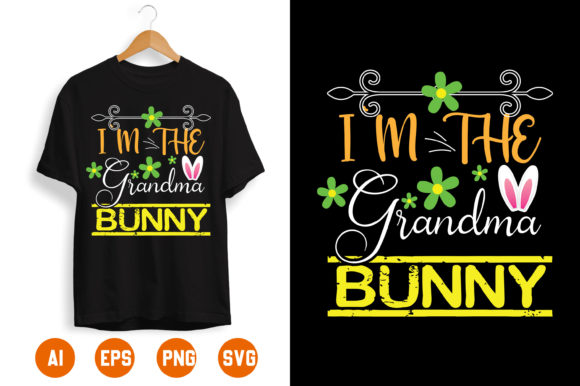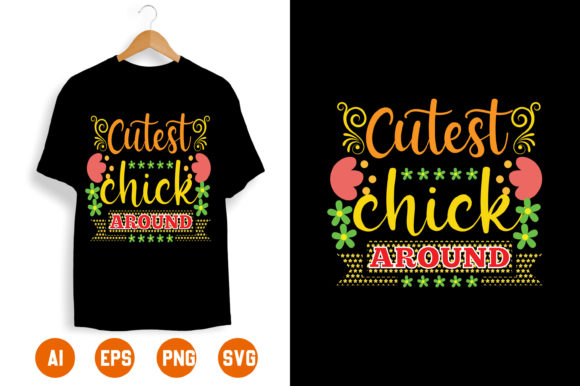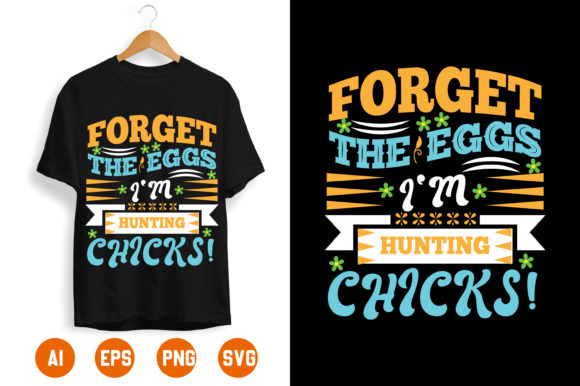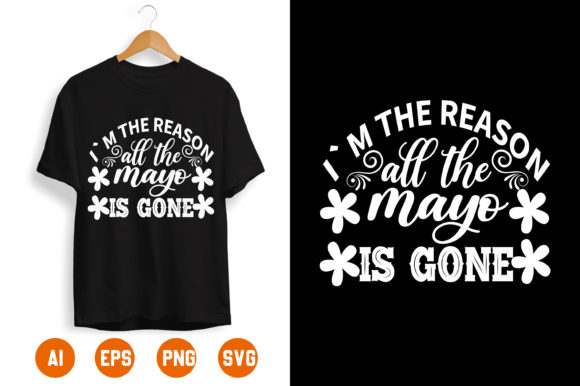
Easter T-shirt Design 10: A Designer’s Practical Review
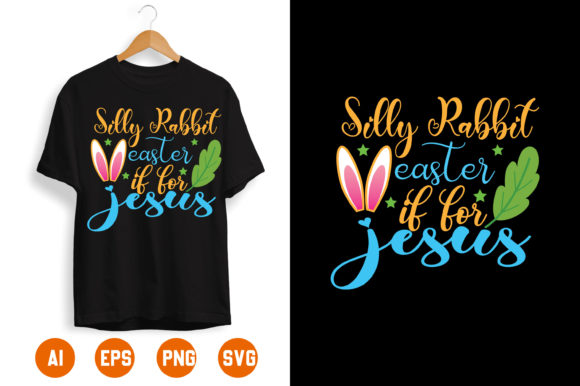
As someone who has spent years digitizing patterns and reviewing T-Shirt Designs for real-world application, I approach every new file with a healthy dose of skepticism. We have all been there: you download a cute graphic, load it into your software, and realize the lines are too close together for a satin stitch or the details vanish on textured fabric. That is why I took a close look at Easter T-shirt Design 10, specifically the "Silly Rabbit Easter Is For Jesus" concept, to see if it holds up under the needle.
This isn't just about whether the image looks good on a screen. It is about how it performs as a machine embroidery design when you are trying to meet a deadline for a spring craft fair or fulfilling a custom order for a loyal customer. Let’s break down what this Graphics asset offers and how it translates from a digital embroidery file to a tangible, stitched product.
First Impressions: Mood and Layout
The immediate appeal of Easter T-shirt Design 10 lies in its playful yet meaningful juxtaposition. The phrase "Silly Rabbit Easter Is For Jesus" combines a whimsical cultural reference with a clear faith-based message. Visually, the layout feels balanced. The typography appears bold enough to remain legible, which is crucial when we move from vector shapes to thread.
For an Etsy seller or a small shop product creator, mood is everything. This design strikes a tone that is lighthearted but respectful. It fits perfectly into the niche of modern Christian apparel, which has seen massive growth in recent years. The visual personality suggests it belongs on casual wear rather than formal attire. It feels like something a parent would buy for a child’s Sunday best or a young adult would wear to a spring brunch. The design assets provided—AI, EPS, PNG, and SVG—give you the flexibility to tweak the layout before you even begin the digitization process, assuming you are converting these vectors into stitches yourself or using them as a reference for pre-digitized files.
Real-World Application: From Screen to Stitch
Let’s imagine a realistic scenario. You run a home-based craft business, and a client wants a set of matching family shirts for Easter morning. They want something unique, not just the generic bunny clips art found everywhere. Easter T-shirt Design 10 becomes a strong candidate here. Because the description notes "100 vector shapes resizable" and "possible and easy change color," you can adapt the theme colors to match the specific shirt hues the family has chosen.
I tested the concept mentally against a few common substrates. On a cotton tote bag design, the bold lines would stand out well, especially if you use a contrasting thread colors palette. For sweatshirt embroidery, the design needs to handle the pile of the fleece. If the original graphic has very fine lines, they might get lost. However, since this is marketed as a t-shirt design, the lines are likely thick enough to translate well into a fill stitch or a wide satin stitch border.
Another excellent use case is baby embroidery. Parents love personalized, faith-based items for infants. If you scale this down for a onesie, you must be cautious. The text "Easter Is For Jesus" needs to remain readable. If the design is too small, the letters will merge. In this case, I would recommend using the design on the back of a toddler’s jacket or a larger bib rather than the chest of a newborn onesie, unless you are confident in your micro-lettering digitizing skills.
Technical Considerations for Embroiderers
While the visual appeal is strong, we must talk about the mechanics. The product description mentions it is "print ready" and includes vector formats. This is great for screen printing or heat transfer vinyl (HTV), but for embroidery, we need to talk about stitch density and hoop size.
If you are digitizing this from the provided SVG or AI files, pay close attention to the corners of the lettering. Sharp angles in vectors often require careful handling in embroidery to prevent thread breaks or puckering. You may need to add underlay stitches or adjust the pull compensation. If you are buying this as a pre-digitized digital embroidery file (which is implied by the context of embroidery reviews, though the format list emphasizes vector graphics), check the stitch count. A high stitch count on a thin t-shirt fabric will cause tunneling.
Stabilizer choice is non-negotiable here. For a design with both text and graphical elements (the rabbit motif), a cut-away stabilizer is usually safer for garments that will be washed frequently. If you are stitching on a cap, which is a curved surface, ensure the design width fits your cap frame. The "resizable" nature of the vector allows you to shrink it to fit a standard 5x7 hoop if necessary, but do not go so small that the details become indistinguishable blobs of thread.
Fabric and Color Strategy
The success of Easter T-shirt Design 10 depends heavily on contrast. The description says "easy change color," which is a huge advantage. For a white or pastel shirt, you might choose bright, festive thread colors. For a navy or black shirt, you need high-visibility threads like gold, white, or bright yellow.
Be mindful of fabric texture. On a waffle-knit thermal or a rough linen, the smooth look of a satin stitch might not pop as much as it does on smooth cotton. In those cases, consider using a running stitch outline for a more rustic, handmade look, or increase the density of the fill areas to cover the texture. Always test on scrap fabric first. I cannot stress this enough. What looks perfect in a printable mockup can look messy in real life if the tension is off.
Commercial Viability and Brand Consistency
For commercial embroidery professionals, this design adds value because it taps into a specific seasonal demand. It is not just a generic spring design; it has a clear message. This helps with buyer engagement. Customers looking for faith-based holiday items are often willing to pay a premium for quality, personalized pieces.
However, you must verify licensing. The description lists file types but does not explicitly state commercial usage rights for the digitized embroidery file versus the graphic file. Before selling finished products like an embroidered patch or a custom apron, confirm that the license covers physical sales. Most graphic bundles allow this, but it is always safer to check. Using this design consistently across your spring collection—on pillows, towels, and shirts—can help build brand recognition for your handmade product line.
Final Verdict
Easter T-shirt Design 10 is a versatile asset for the right project. It shines in casual, faith-based apparel and home decor. It requires thoughtful digitizing or careful selection of pre-made settings to ensure the text remains crisp and the rabbit motif retains its charm. Avoid using it on highly stretchy fabrics without proper stabilization, and be cautious with scaling it down for tiny items.
If you are an embroidery designer looking to expand your spring catalog, this design offers a solid foundation. It balances fun and faith, making it a safe yet engaging choice for a wide range of customers. Just remember: the file is only as good as the execution. Test your tensions, choose your stabilizers wisely, and let the quality of your stitching speak for itself. This design has the potential to be a bestseller in your small business merchandise lineup if treated with the professional care it deserves.