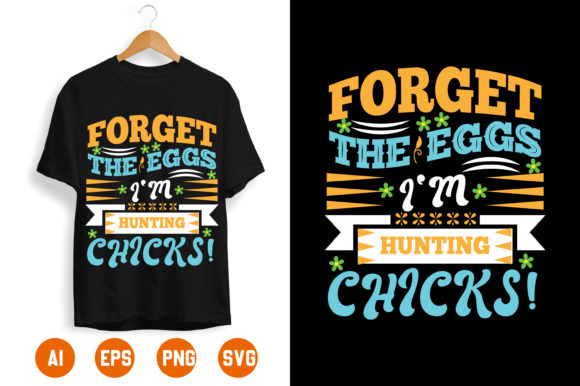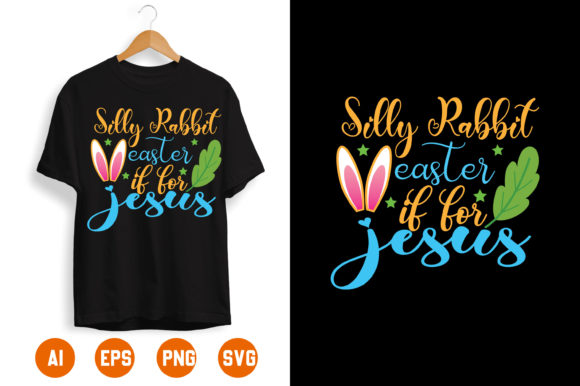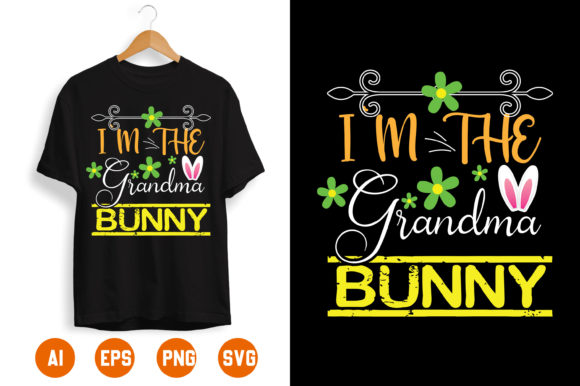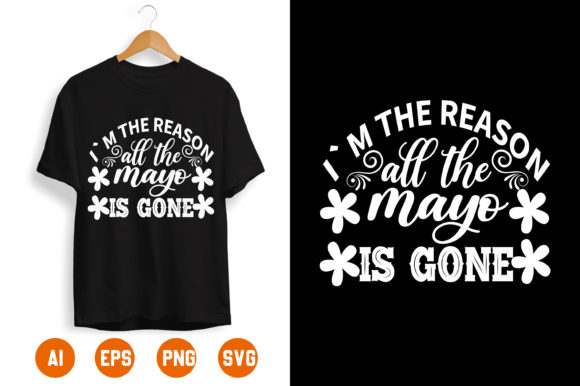
Easter T-shirt Design 19: A Designer’s Real-World Review
As an embroidery designer who has spent countless hours digitizing, stitching, and troubleshooting designs for clients, I approach every new file with a mix of curiosity and skepticism. We have all been there: you download a cute graphic, load it into your machine, and hope for the best, only to find out that the stitch density is a nightmare or the details vanish on textured fabric. That is why I took a close, practical look at Easter T-shirt Design 19. This isn’t just about whether it looks good on a screen; it is about how it performs when the needle hits the fabric.
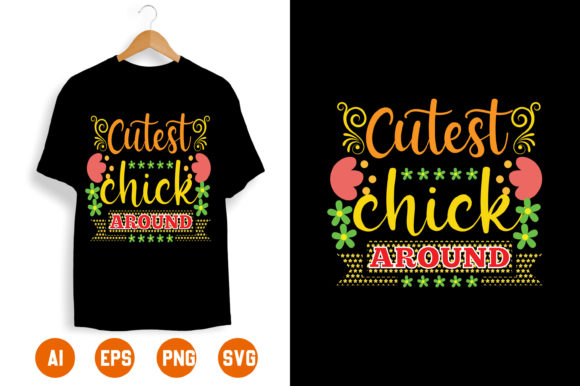
The product description highlights that this is a "Cutest Chick Around" design, delivered in AI, EPS, PNG, and SVG formats. For those of us working in the T-Shirt Designs and Graphics space, having vector files like AI and EPS is a significant advantage. It means we are not just stuck with a static image. We can resize without losing quality, adjust colors to match specific thread palettes, and even modify elements if our digitizing software allows for vector import. However, since these are primarily graphic files rather than pre-digitized embroidery files, the responsibility falls on us to translate this visual charm into stitches effectively.
First Impressions and Visual Personality
When I first opened the files for Easter T-shirt Design 19, the immediate impression was one of playful simplicity. The chick motif is classic, but the execution matters. In embroidery, overly complex illustrations often fail because they require too many color changes or result in muddy stitching. This design, however, appears to rely on clean shapes and bold outlines. This is crucial for holiday embroidery projects where the goal is instant recognition and cheerful vibes.
The mood is undeniably spring-like. It feels soft, approachable, and family-friendly. This visual personality makes it a natural fit for a wide range of handmade products. It does not scream "high fashion," but it does whisper "thoughtful gift." For an Etsy seller or a small shop product creator, this is exactly the kind of aesthetic that drives impulse buys during the Easter season. The layout seems balanced, avoiding extreme corners that might cause registration issues during stitching.
Real-World Application: From Screen to Stitch
To truly evaluate Easter T-shirt Design 19, I imagined using it in a real client scenario. Let’s say a customer orders a custom tote bag design for a church Easter egg hunt. The tote is made of medium-weight canvas. Because the design features resizable vector shapes, I can scale it perfectly to fit a 5x7 hoop without pixelation. This flexibility is vital for commercial embroidery where clients often request specific sizes.
If I were digitizing this for a sweatshirt embroidery project, I would pay close attention to the chick’s eyes and beak. These small details need to be handled with precision. A satin stitch might work well for the outline to give it a raised, premium feel, while a light fill stitch could cover the body of the chick. However, because the source files are graphics, I would need to ensure that the transition from vector to stitch path maintains the integrity of the original art. The ease of changing colors mentioned in the description is a huge plus here. I could easily swap a traditional yellow chick for a pastel pink or blue to match a nursery theme, making it versatile for baby embroidery items like onesies or burp cloths.
For custom apparel, such as a family matching t-shirt set, the design’s simplicity is an asset. Complex designs can feel heavy on thin cotton, but a clean, graphic-style chick sits comfortably on the chest or sleeve. It also works beautifully as an embroidered patch. If I were creating iron-on patches for a craft fair, the bold lines of Easter T-shirt Design 19 would hold up well against the backing material, ensuring the design remains legible even from a distance.
Technical Considerations and Potential Pitfalls
While the design is charming, there are areas where caution is necessary. Since we are working with graphic files (AI, EPS, SVG, PNG) and not pre-made embroidery files, the digitizing process is entirely in our hands. This is both a freedom and a risk. If you are new to digitizing, be wary of stitch density. It is tempting to fill every pixel, but high density on stretchy fabrics like jersey knits can cause puckering. Always use a proper stabilizer—cut-away for knits and tear-away for wovens—to support the stitches.
Another critical factor is hoop size. If you plan to use this on a cap, remember that curved surfaces distort designs. You may need to warp the design slightly in your digitizing software before exporting. Also, tiny lettering or intricate details in the chick’s feathers (if present in the specific variation) might get lost if scaled down too much. I always recommend testing the design on scrap fabric first. Check how the thread colors contrast against the fabric. A yellow chick on a white towel will disappear, so you might need to add a contrasting border or choose a darker background fabric.
For textured fabrics like towels or fleece, consider using an applique technique. Instead of stitching the entire fill, you could cut out fabric in the shape of the chick and use a running stitch or satin border to secure it. This reduces bulk and stitch count, making the finished product softer and more comfortable, especially for personalized gifts intended for children.
Enhancing Brand Value and Customer Trust
Using high-quality design assets like Easter T-shirt Design 19 directly impacts your brand consistency. When customers see clean, well-executed embroidery, they trust your craftsmanship. This design, with its professional vector foundation, allows for crisp edges and consistent coloring across multiple items. Whether you are creating printable mockups for your online store or actual physical samples for a boutique, the versatility of the file formats ensures that your marketing materials look as good as the final product.
For craft business owners, time is money. The fact that the colors are easy to change means you can quickly create variations for different customer preferences without starting from scratch. This efficiency allows you to offer more custom apparel options, increasing your average order value. Furthermore, because the design is "print ready" and comes in standard graphic formats, it can also be used for hybrid products—perhaps embroidered on the front of a shirt and printed on the back, offering a unique selling point for your small shop product line.
Final Verdict and Practical Advice
In conclusion, Easter T-shirt Design 19 is a solid choice for designers looking for a versatile, seasonal graphic. Its strength lies in its clean vector structure, which allows for easy customization and scaling. However, its success in embroidery depends entirely on your digitizing skills and material choices.
Before you start stitching, take these steps:
- Check Licensing: Confirm whether the license allows for commercial use of finished items. The description mentions it is for personal and commercial projects, but always read the specific terms included with your download.
- Test on Scrap: Never stitch directly on your final garment. Test your digitized version on similar fabric to check for puckering or thread breaks.
- Contrast is Key: Ensure your thread colors stand out against the fabric. Use black and white mockups to check value contrast.
- Stabilize Properly: Match your stabilizer to your fabric type to prevent distortion.
By treating Easter T-shirt Design 19 as a flexible foundation rather than a final product, you can create stunning holiday embroidery pieces that delight customers and elevate your craft business. It is a reliable asset for any designer’s library, provided you respect the technical demands of turning graphics into stitches.